Epilepsy is a neurological disorder caused by abnormal electrical activity in the brain. It is characterized by recurrent, unprovoked seizures that can vary significantly from one person to another. Because seizure symptoms often resemble other conditions such as fainting spells, panic attacks, or certain sleep disorders, obtaining an accurate diagnosis can be challenging.
This is where a thorough seizure evaluation becomes essential.
A standard EEG (Electroencephalogram) is typically the first investigation used to diagnose epilepsy. However, a routine EEG usually records brain activity for only 20 to 30 minutes. Since seizures often occur unpredictably, a short recording may fail to capture the abnormal brain activity needed for diagnosis.
For this reason, Video EEG monitoring has become one of the most reliable neurological diagnostic tests available. It combines continuous brain wave recording with synchronized video monitoring, allowing neurologists to observe both electrical brain activity and physical symptoms simultaneously.
What Is a Video EEG Test?
A Video EEG test is an advanced neurological investigation that records brain activity and the patient's physical behavior at the same time over an extended period.
Unlike a routine EEG, Video EEG is specifically designed to capture actual seizure events rather than providing only a brief snapshot of brain activity.
Understanding Video EEG Monitoring
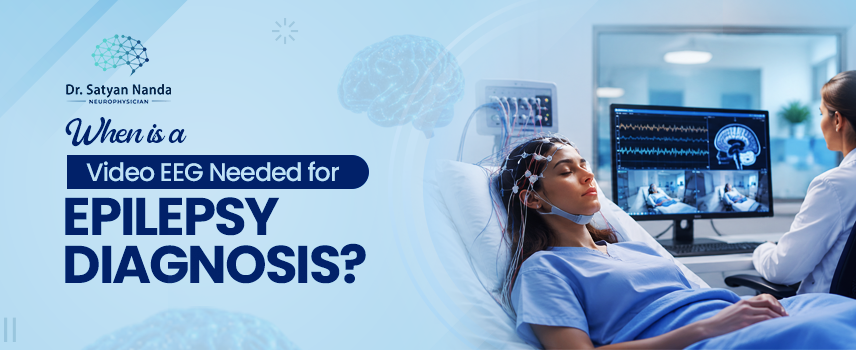
During Video EEG monitoring, electrodes are attached to the scalp to continuously record electrical activity generated by the brain. At the same time, a video camera records the patient's movements, facial expressions, and behavior.
If a seizure or seizure-like episode occurs, both the brain's electrical activity and the patient's physical symptoms are recorded simultaneously. This synchronized recording enables neurologists to compare what is happening in the brain with what is happening physically during the episode.
How Video EEG Differs from a Standard EEG
The primary differences between a routine EEG and Video EEG are the duration of monitoring and the additional visual information provided.
- Routine EEG: Records brain activity for approximately 20 to 30 minutes and may appear normal between seizures.
- Video EEG: Records continuously for several hours or even multiple days, greatly increasing the likelihood of capturing an actual seizure.
- Video EEG: Simultaneously records brain activity and physical behavior for more accurate diagnosis.
Why Is Video EEG Important in Epilepsy Diagnosis?
Confirming Seizure Disorders
One of the primary purposes of Video EEG monitoring is to confirm whether a patient truly has epilepsy. Characteristic changes in brain wave activity during a seizure provide objective evidence that helps establish an accurate diagnosis.
Differentiating Epileptic and Non-Epileptic Events
Not every episode of unconsciousness or abnormal movement is caused by epilepsy. Conditions such as:
- Fainting (syncope)
- Panic attacks
- Certain sleep disorders
- Psychogenic non-epileptic seizures (PNES)
can closely resemble epileptic seizures.
Video EEG helps neurologists distinguish between these conditions by showing exactly what the brain is doing during an episode.
Identifying the Type of Seizure
Epilepsy is not a single disorder. Seizures can originate from different areas of the brain.
Video EEG helps identify whether seizures are:
- Focal seizures (originating from one area of the brain)
- Generalized seizures (involving both sides of the brain from the beginning)
Identifying the seizure type is essential because treatment depends on the specific form of epilepsy.
Planning Treatment
Once an accurate diagnosis has been established, Video EEG findings help neurologists:
- Select the most appropriate anti-seizure medication.
- Adjust existing medications.
- Evaluate patients for epilepsy surgery when seizures remain uncontrolled despite medication.
Symptoms That May Require a Video EEG Test
Your neurologist may recommend Video EEG monitoring if you experience:
- Recurrent seizures without a confirmed diagnosis
- Unexplained blackouts or loss of consciousness
- Sudden staring spells with reduced awareness
- Abnormal movements or unusual behavior during sleep
- Episodes of loss of awareness
- Uncontrolled body jerks or repetitive movements
For patients with recurring unexplained episodes, prolonged Video EEG monitoring provides a much greater chance of capturing useful diagnostic information than a routine EEG.
How Is a Video EEG Test Performed?
Before the Test
Preparation usually includes:
- Washing your hair the night before the test.
- Avoiding hair oils, gels, or styling products.
- Following medication instructions provided by your neurologist.
- Undergoing sleep deprivation if specifically advised, as lack of sleep may help trigger seizure activity during monitoring.
During the Test
Small electrodes are attached to the scalp using a special adhesive. These electrodes continuously record brain wave activity while a video camera records your movements and behavior throughout the monitoring period.
The monitoring is usually performed in a specialized hospital setting where trained medical staff continuously supervise patients.
Duration of Monitoring
The length of Video EEG monitoring varies depending on the patient's symptoms.
- Some patients require only a few hours of monitoring.
- Others may require continuous monitoring for several days to capture an actual seizure.
What Happens During a Seizure Recording?
If a seizure occurs during monitoring, the system simultaneously records:
- The exact brain wave changes occurring during the seizure.
- The patient's physical movements and behavior.
This synchronized recording allows neurologists to directly correlate EEG abnormalities with physical symptoms, providing highly accurate diagnostic information.
Is Video EEG Safe?
Yes. Video EEG monitoring is a safe and completely non-invasive procedure.
- No needles are used.
- No radiation is involved.
- No surgical procedure is required.
The electrodes simply record electrical signals naturally produced by the brain. Patients remain under continuous medical supervision throughout the monitoring period, ensuring prompt assistance if a seizure occurs.
Some patients may experience mild scalp irritation from the adhesive used to secure the electrodes, but this usually resolves quickly.
How to Prepare for a Video EEG Test
To help ensure accurate results:
- Follow any sleep recommendations provided by your neurologist.
- Take medications only as instructed before the test.
- Bring comfortable clothing for extended monitoring sessions.
- Carry personal items such as books or electronic devices to make longer hospital stays more comfortable.
What Do Video EEG Results Show?
Video EEG results help determine:
- Whether abnormal electrical brain activity consistent with epilepsy is present.
- Where seizures originate within the brain.
- The type of seizure experienced by the patient.
Interpreting Video EEG recordings requires specialized expertise. Neurologists carefully analyze both the EEG recordings and synchronized video footage before making a final diagnosis.
When Should You Consult a Neurologist?
You should consult a neurologist if you experience:
- Repeated unexplained seizures
- Frequent blackouts or fainting episodes
- Sudden episodes of altered awareness
- Unexplained body jerks or abnormal movements
- Recurring changes in behavior or consciousness
Early neurological evaluation improves diagnostic accuracy and helps initiate appropriate treatment sooner.
Conclusion
Video EEG monitoring is one of the most valuable diagnostic tools available for accurately diagnosing epilepsy and other seizure disorders. Unlike a routine EEG, it combines prolonged brain wave recording with synchronized video monitoring, allowing neurologists to directly observe both electrical brain activity and physical seizure manifestations.
This comprehensive evaluation helps confirm epilepsy, identify seizure types, determine seizure origin, and guide personalized treatment planning.
If you are experiencing unexplained seizures, blackouts, or seizure-like episodes, consult Dr. Satyan Nanda for a comprehensive neurological evaluation and expert guidance on Video EEG monitoring.
Frequently Asked Questions (FAQs)
What is a Video EEG test used for?
A Video EEG test is used to diagnose epilepsy and other seizure disorders by simultaneously recording brain activity and physical behavior during seizure episodes.
How long does Video EEG monitoring take?
The duration varies depending on the frequency of seizures. Monitoring may last from a few hours to several days.
Is Video EEG painful?
No. Video EEG is completely painless and non-invasive. Electrodes are simply attached to the scalp to record brain activity.
What is the difference between a routine EEG and Video EEG?
A routine EEG records brain activity for approximately 20 to 30 minutes, whereas Video EEG provides prolonged monitoring along with synchronized video recording, making it more effective for capturing actual seizure events.
Can Video EEG confirm epilepsy?
Yes. Video EEG is considered one of the most accurate methods for confirming epilepsy by recording abnormal electrical brain activity during a seizure while simultaneously documenting physical symptoms.
Do I need hospital admission for Video EEG monitoring?
It depends on your condition. Some patients require only a few hours of monitoring, while others with infrequent seizures may need admission for continuous monitoring over several days.