Conditions

Conditions

Conditions
Conditions

Neurological Conditions Treated by Our Neurologist

Neurological conditions affect the brain, spinal cord, and nerves. They can significantly impact daily life unless diagnosed and treated in time. From headaches and nerve pain to more complex disorders like epilepsy, stroke, and movement disorders, these conditions require careful evaluation and specialized care. The first step to effective treatment and long-term management is to understand the nature of neurological symptoms.

Neurology covers conditions that affect movement, sensation, memory, coordination, and overall functioning of the nervous system. Many neurological disorders develop gradually, while some may present suddenly and require urgent medical attention. Early diagnosis plays a crucial role in neurological disorders treatment.

For emergency, Call Now

Common Neurological Conditions We Treat

We treat a wide variety of neurological disorders, including those that affect the brain, spine, and peripheral nerves. Every condition needs a customized approach for accurate diagnosis and management.

  • Migraine Migraine is a neurological condition characterized by recurrent moderate to severe headaches, often associated with nausea, sensitivity to light, and visual disturbances. Identifying triggers and starting appropriate treatment can reduce their frequency and severity.
  • Epilepsy Epilepsy is marked by recurrent seizures due to abnormal electrical activity in the brain. Accurate diagnosis and long-term treatment are essential for controlling seizures and improving quality of life.
  • Stroke A stroke happens when the blood supply to part of the brain is disrupted, causing sudden symptoms like weakness, speech difficulty, or loss of coordination. Immediate care and ongoing treatment are essential for recovery.
  • Neck Pain Neck pain can be caused by muscle strain, nerve compression, or spinal problems, leading to stiffness, discomfort, and reduced mobility. Early evaluation helps determine the cause and guides appropriate treatment.
  • Cervical Spondylosis An age-related degenerative condition affecting the cervical spine. It may lead to chronic neck pain, stiffness, and nerve-related symptoms such as tingling or weakness in the arms.
  • Carpal Tunnel Syndrome Occurs due to compression of the median nerve at the wrist, causing numbness, tingling, and weakness in the hand. Treatment helps prevent progression and improve function.
  • Sciatica Caused by irritation or compression of the sciatic nerve, resulting in pain that radiates from the lower back to the legs, sometimes with numbness, tingling, or weakness.
  • Parkinson’s Disease A progressive neurological disorder affecting movement, commonly presenting with tremors, stiffness, and slowed movements. Early treatment helps manage symptoms and maintain independence.

Symptoms That Indicate a Neurological Problem

Neurological conditions often have symptoms that may seem mild at first but could be signs of underlying problems in the nervous system. Recognizing these symptoms early is important for timely treatment.

  • Frequent or persistent headaches
  • Numbness or tingling in the hands, arms, or legs
  • Muscle weakness or reduced strength
  • Persistent dizziness or episodes of imbalance
  • Seizures or loss of consciousness
  • Difficulty with coordination or movement
  • Problems with memory
  • Sudden difficulty with speech, vision, or cognitive abilities

Causes of Neurological Disorders

Neurological disorders can arise from a wide range of factors, usually a combination of genetic, developmental, environmental, and acquired causes. The exact cause differs depending on the specific condition.

  • Genetic Factors Some conditions are inherited and linked to gene mutations or chromosomal abnormalities, such as muscular dystrophy and Huntington’s disease.
  • Developmental (Congenital) Some disorders are present from birth due to abnormal development of the nervous system, from genetic influences, metabolic disorders, or structural abnormalities.
  • Infections Infections like meningitis and encephalitis can inflame and damage the nervous system, and may cause long-term complications if untreated.
  • Injuries & Trauma Head injuries, spinal cord damage, or nerve trauma can disrupt normal function — even concussions may lead to lasting symptoms.
  • Autoimmune Conditions The immune system may mistakenly attack the nervous system, leading to disorders like multiple sclerosis that affect nerve signaling.
  • Degenerative Diseases Some conditions cause gradual deterioration of nerve cells over time, such as Alzheimer’s disease and Parkinson’s disease.
  • Other Contributing Factors Stroke, tumors, exposure to toxins, metabolic disorders, and environmental influences can also contribute to neurological conditions.

Diagnosis & Evaluation

Accurate diagnosis is one of the most important steps in treating neurological conditions effectively. A detailed clinical examination with advanced diagnostic testing helps identify the exact cause of symptoms.

  • EEG (Electroencephalogram) Measures brain activity, especially useful in seizure disorders.
  • EMG (Electromyography) Evaluates the electrical activity of muscles and related nerve function.
  • NCV (Nerve Conduction Velocity) Measures how quickly electrical signals travel through the nerves.
  • VEP (Visual Evoked Potential) Evaluates the visual pathways between the eyes and the brain.
  • MRI Brain Provides detailed images of the brain to diagnose stroke, tumours, multiple sclerosis, infections, and other disorders.
  • MRI Spine Helps identify abnormalities affecting the spinal cord, discs, nerves, and surrounding structures.

Treatment Approaches

Neurological disorders treatment usually follows a multidisciplinary and personalized approach based on the condition and its severity, focusing on managing symptoms, improving function, and supporting long-term well-being.

  • Medication Management Controls symptoms like seizures, pain, or movement-related issues, and in some cases helps slow disease progression.
  • Surgical Interventions Procedures such as deep-brain stimulation or tumor surgery to relieve symptoms and improve neurological function.
  • Physical Therapy Improves strength, mobility, and balance through exercises, gait training, and supportive techniques.
  • Occupational Therapy Supports daily activities and helps patients maintain independence despite physical or cognitive challenges.
  • Speech & Language Therapy Improves communication and helps manage swallowing difficulties.
  • Psychological Support Therapies like CBT help manage stress, anxiety, and the emotional impact of neurological conditions.
  • Rehabilitation & Supportive Care A combination of therapies to improve recovery, prevent complications, and enhance quality of life.

Why Choose Our Neurology Care

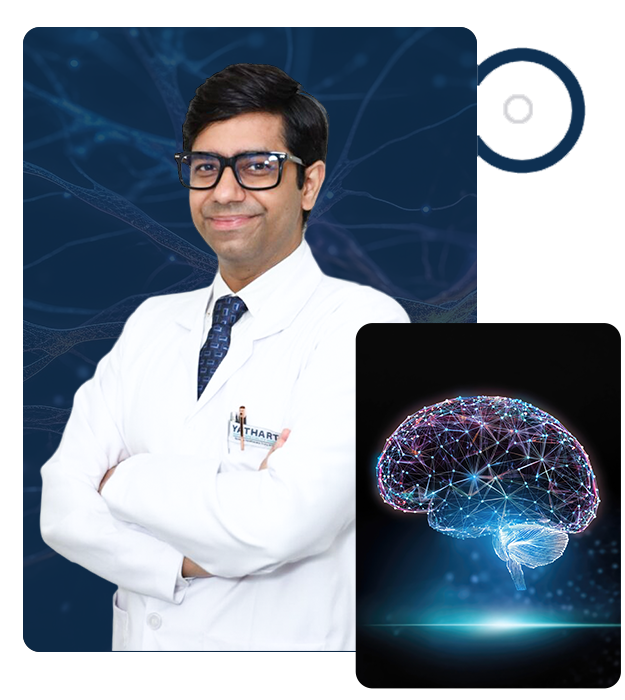
Choosing the right specialist is essential for effective treatment and long-term care. Dr. Satyan Nanda offers comprehensive neurological disorders treatment with a focus on accurate diagnosis and patient-centered care, currently serving as Senior Consultant & Head of the Neurology Department at Yatharth Super Speciality Hospital.

  • Extensive clinical experience managing a wide range of complex neurological conditions
  • Senior Consultant & Head of Neurology with advanced clinical and academic expertise
  • Recognized for research contributions published in leading international medical journals
  • Comprehensive care covering diagnosis, treatment, and long-term follow-up
  • Access to advanced neurodiagnostic testing for precise evaluation
  • Patient-focused approach with emphasis on clarity, ethics, and evidence-based care

When to See a Neurologist

When it comes to neurological conditions, timely consultation really matters. Ignoring symptoms may lead to progression or complications. You should consider seeing a neurologist if:

  • Symptoms are persistent or worsening
  • You experience chronic headaches or nerve pain
  • There is a sudden onset of weakness, speech difficulty, or imbalance
  • You have seizures or episodes of loss of consciousness
  • You experience memory problems

Frequently Asked Questions

What neurological conditions are treated by a neurologist?

A neurologist treats conditions affecting the brain, spinal cord, and nerves. This includes headaches, epilepsy, stroke, Parkinson’s disease, nerve disorders, and more.

When should I consult a neurologist?

You should consult a neurologist if you have persistent headaches, numbness, weakness, seizures, or balance problems. Sudden changes in vision, speech, or thinking abilities can also be a sign of a neurological problem.

Are neurological disorders treatable?

Yes, many neurological disorders can be effectively managed with proper diagnosis and treatment. Early intervention can definitely improve outcomes.

What tests are required for neurological evaluation?

Tests like EEG, EMG, NCV, and VEP are commonly used depending on the symptoms and suspected condition.

Consult Dr. Satyan Nanda for Neurological Care

If you are experiencing symptoms related to neurological conditions, timely evaluation can help identify the cause and guide effective treatment. Book an appointment with Dr. Satyan Nanda today for expert diagnosis and personalized neurological care.

PARTNERS

Trusted Healthcare Associations

Proudly associated with leading healthcare institutions, including Yatharth Super Speciality Hospital. Past affiliation with BLK-Max and Batra Hospital in New Delhi.