An EEG is a simple test that helps neurologists examine the brain's electrical activity. It is commonly recommended when symptoms such as seizures, blackouts, or unexplained episodes need further evaluation, allowing doctors to better understand how the brain is functioning.
Dr. Satyan Nanda tends to suggest an EEG procedure whenever abnormal brain activity is a possibility, and epilepsy and seizure cases are where this comes up most. Both conditions are rooted in irregular electrical signals in the brain, so an EEG is often the starting point in the diagnostic process.
What is an EEG Test?
An EEG records electrical activity of your brain so a neurologist can look at it later. It provides a live display of the activity of various parts of the brain, without any risk to the patient.
Full Form of EEG
EEG stands for Electroencephalogram. Strip away the medical wording, and it just means a recorded graph of the electricity your brain cells are constantly generating.
How an EEG Works
The brain is composed of billions of neurons that communicate with one another by sending tiny electrical signals all day long. This brain wave test picks up those signals with small electrodes placed on the scalp using a little bit of adhesive paste. Nothing enters the body during this process.
The electrodes only read activity the brain is already producing, which is exactly why the test is considered safe even for infants.
Why is an EEG Test Done?
Diagnosing Epilepsy and Seizures
Epilepsy and seizures are the biggest reason an EEG test for seizures gets ordered in the first place. Certain patterns in the recording correspond to specific seizure types, and knowing the type often changes how treatment is approached.
Evaluating Sleep Disorders
Certain sleep disorders are associated with alterations in brain activity that are not observable during a physical exam. An EEG allows neurologists to analyze these patterns and assists in the diagnosis of sleep-related disorders.
Investigating Unexplained Symptoms
There are the more difficult cases: unexplained symptoms. Sudden passing out, memory lapses, disorientation without warning, blacking out for no reason. An EEG procedure is used to confirm whether the brain is responsible for any of these, or to eliminate that possibility.
Monitoring Brain Function
Neurologists also lean on EEG after a head injury or a serious illness, mainly to track how the brain is recovering and whether anything still needs monitoring.
Symptoms That May Require an EEG Test
If seizures keep recurring, if you've suddenly lost consciousness without warning, or if fainting spells, confusion, unexplained staring episodes, or ongoing sleep trouble have become part of your life recently, an EEG is usually one of the first things a neurologist brings up. These aren't symptoms worth sitting on.
EEG Test Procedure Step-by-Step
Before the Test
Wash your hair the night before or on the day of in the morning, but do not use oils, gels, or any type of styling product because these may interfere with the bonding of the electrodes. You should also consider cutting down on caffeine in advance, as it can cause a slight variance in the results.
Let your neurologist know about any medications you're taking as well, since a few may need to be paused depending on what's being checked.
During the EEG
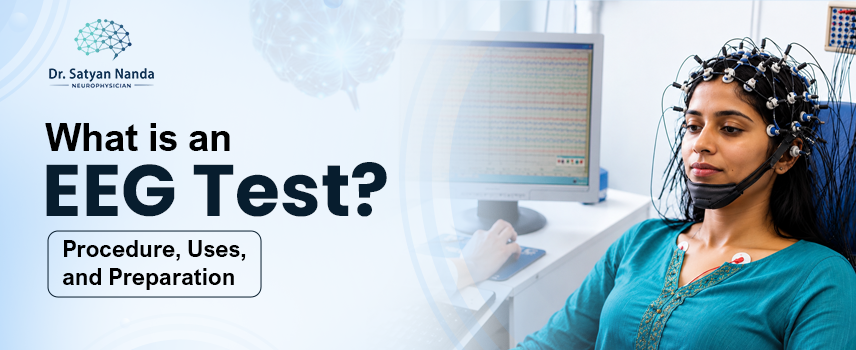
You'll sit comfortably while small electrodes are placed at specific points on the scalp using a mild paste. Recording begins, and for most of it you simply stay relaxed. At times you may be asked to take deep breaths for a short period or to stare at a flashing light.
Small prompts like these can occasionally surface patterns that a quiet, resting recording wouldn't pick up on its own.
After the Test
After the EEG is done, the electrodes are taken off, and you can go back to your regular activities right away. The neurologist reviews the recording in detail along with your symptoms and medical history before discussing the results and suggesting additional evaluation or treatment, if necessary.
How to Prepare for an EEG Test
If a sleep-deprived EEG is advised, your neurologist may request that you sleep less than usual on the night before the test. This can make it easier to identify certain patterns of brain activity.
Continue to take your medications unless you are told otherwise by your neurologist, and wear comfortable clothes to help you feel at ease during the procedure.
Is an EEG Test Painful or Safe?
No pain is involved at any stage. None of the electrical current goes into your body; the electrodes just pick up signals that your brain produces naturally. This is what makes the procedure safe for all ages, including young children and seniors, and can be performed as many times as your treatment plan requires without any risk of accumulation.
What Do EEG Results Show?
Results are generally described as normal or abnormal. A normal recording shows steady, organized brain activity across the regions being monitored. An abnormal one could show irregular spikes, abnormally slow waves, or patterns that suggest you should be looking at something.
The results of an EEG are always considered in conjunction with the symptoms, medical history, and clinical examination of the patient. Dr. Satyan Nanda considers all these parameters before reaching a diagnosis. This clinical correlation helps ensure accurate results and makes EEG one of the most valuable neurological diagnostic tests for evaluating brain function.
Difference Between EEG and Video EEG
Standard EEG
A standard EEG is a short recording session that usually takes between 20 and 40 minutes, and that's enough to catch patterns related to most common neurological troubles.
Video EEG Monitoring
Video EEG monitoring records brain activity over a longer period while simultaneously capturing the patient's movements and behavior on video. This enables the neurologist to physically examine symptoms while simultaneously observing brain activity changes.
Video EEG monitoring is especially useful in the evaluation of epilepsy because it can help differentiate true epileptic seizures from events that may look similar but are due to other medical or non-neurological conditions.
When Should You Consult a Neurologist?
If you are experiencing persistent headaches, dizziness without explanation, a memory that isn't what it used to be, actual seizures, sudden changes in behavior, or multiple blackouts, you have more than enough reasons to seek a proper workup rather than just holding on.
If headaches are also involved, it is useful to know the difference between migraine and tension headache, as the type often gives useful clues in the diagnosis. Patients from all over Delhi NCR come to Dr. Satyan Nanda for a complete neurological workup when they have these symptoms.
Conclusion
An EEG provides neurologists with a detailed view of brain activity that cannot be assessed during a physical examination, and it does so without any discomfort or risk to the patient. Detecting an issue early via the EEG procedure usually translates into an improved prognosis, especially for diseases such as epilepsy, which are amenable to early treatment
If unexplained seizures, fainting, or similar signs have been part of your life lately, booking an EEG test in Delhi with Dr. Satyan Nanda is a solid first step toward real answers and a treatment plan based around what's actually causing your symptoms.
Frequently Asked Questions (FAQs)
What is an EEG test used for?
It records the brain's electrical activity and is commonly used to diagnose epilepsy, seizures, sleep disorders, and other neurological symptoms that don't have a clear cause.
How long does an EEG test take?
Usually around 20 to 40 minutes for a standard test, though it can run longer depending on the condition being evaluated.
Is EEG painful?
Not at all. The electrodes simply pick up signals the brain is already producing, and nothing is sent into the body.
Can EEG detect epilepsy?
Yes. It's one of the primary tools used for epilepsy diagnosis, since abnormal brain wave patterns tend to show up clearly during the recording.
What should I avoid before an EEG test?
Skip hair oils and styling products, cut back on caffeine, and tell your neurologist about any medications you're currently taking.
What is the difference between EEG and Video EEG?
A standard EEG is a shorter session, while a video EEG adds continuous video recording over a longer period, which is especially useful when diagnosing epilepsy.