Have you ever experienced persistent headaches, unexplained dizziness, numbness, muscle weakness, or memory problems and wondered what might be causing them? Symptoms like these can be unsettling because they often overlap with many different health conditions. While it's easy to assume they're caused by stress or fatigue, they can sometimes point to an underlying neurological condition.
The brain, spinal cord, and nerves work together to control everything from movement and sensation to memory and speech. When something disrupts this complex system, identifying the exact cause requires a careful and systematic approach rather than guesswork.
A Neurological Disorders Diagnosis is not based on a single scan or blood test. Instead, neurologists combine your medical history, symptoms, a detailed neurological examination, and specialized neurological tests to understand what is happening inside your nervous system.
In this blog, we'll walk through how neurological disorders are diagnosed, what tests you may need, and what you can expect during the diagnostic process.
Why Accurate Neurological Disorders Diagnosis Matters
Many neurological conditions share similar symptoms. For example, numbness in the hands could result from nerve compression, peripheral neuropathy, multiple sclerosis, or even a vitamin deficiency. Similarly, dizziness could be linked to migraines, inner ear disorders, or problems affecting the brain.
Because symptoms often overlap, reaching the correct diagnosis is essential. An accurate diagnosis helps:
- Identify the underlying cause of symptoms
- Prevent unnecessary treatments
- Start appropriate treatment sooner
- Monitor disease progression effectively
- Improve long-term outcomes and quality of life
Rather than relying on one test alone, neurologists evaluate the complete clinical picture before making a diagnosis.
Step 1: Understanding Your Medical History
Every neurologist's diagnosis begins with a detailed conversation.
Your neurologist will ask questions about:
- When your symptoms started
- Whether they appeared suddenly or gradually
- How often they occur
- What makes them better or worse
- Previous illnesses or injuries
- Current medications
- Family history of neurological disorders
- Lifestyle factors, including sleep, stress, alcohol use, and occupation
This discussion provides valuable clues that help narrow down possible causes before any tests are ordered.
Step 2: The Neurological Examination
A comprehensive neurological examination is one of the most important parts of diagnosing neurological disorders. During this test, your neurologist diagnoses how your brain, spinal cord, and peripheral nerves are functioning.
The examination may include assessing:
Mental Function
The doctor checks your memory, attention span, language skills, orientation, and ability to follow instructions.
Cranial Nerves
These nerves control important functions such as:
- Vision
- Hearing
- Eye movements
- Facial muscles
- Swallowing
- Speech
- Tongue movement
Testing these nerves can reveal whether specific areas of the brain or brainstem are affected.
Muscle Strength
Your neurologist evaluates muscle power in your arms and legs, looking for weakness or imbalance.
Reflexes
Using a reflex hammer, your doctor checks tendon reflexes. Abnormal reflexes may indicate problems affecting the brain, spinal cord, or nerves.
Sensation
You may be asked whether you can feel light touch, vibration, temperature, or pinprick sensations in different parts of your body.
Coordination and Balance
Simple tasks such as touching your nose, walking in a straight line, or standing with your eyes closed help assess coordination and balance.
This thorough evaluation often provides significant diagnostic clues even before imaging or laboratory tests are performed.
Step 3: MRI Brain
One of the most commonly recommended imaging studies is an MRI brain scan.
Unlike X-rays or CT scans, MRI uses powerful magnets and radio waves to create highly detailed images of the brain.
An MRI brain scan can help detect:
- Stroke
- Brain tumors
- Multiple sclerosis
- Brain infections
- Structural abnormalities
- Brain injuries
- Inflammation
- Degenerative neurological diseases
Because MRI provides excellent soft tissue detail, it is often the preferred imaging method for evaluating neurological conditions.
Not every patient requires an MRI, but it is extremely valuable when symptoms suggest changes within the brain or spinal cord.
Step 4: EEG Test
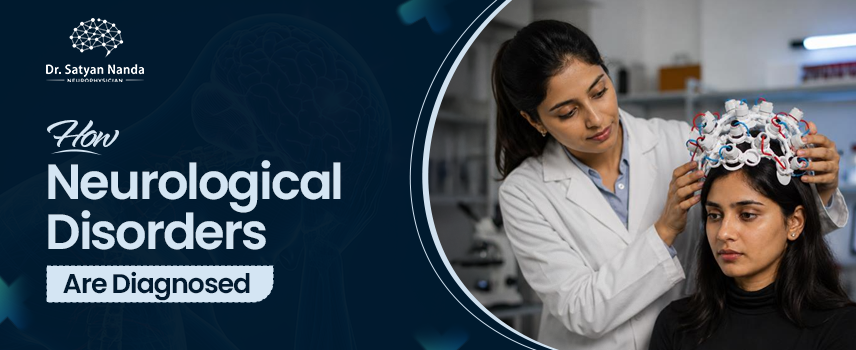
When symptoms include seizures, episodes of unconsciousness, or unexplained blackouts, your neurologist may recommend an EEG. EEG stands for electroencephalogram.
This test records the brain's electrical activity using small electrodes placed on the scalp.
An EEG test is commonly used to help diagnose:
- Epilepsy
- Seizure disorders
- Altered consciousness
- Certain sleep disorders
- Brain dysfunction after head injury
- Some forms of encephalopathy
The procedure is painless and usually takes between 30 minutes and one hour, although longer recordings or video EEG monitoring may sometimes be recommended.
Step 5: EMG Test
Muscle weakness, muscle wasting, cramps, or twitching may require an EMG test. EMG, or electromyography, measures the electrical activity produced by muscles.
During the procedure, a very thin needle electrode is inserted into selected muscles to evaluate their function at rest and during movement.
An EMG test helps diagnose conditions such as:
- Motor neuron disease
- Myopathies
- Muscle inflammation
- Pinched nerves
- Peripheral nerve disorders
- Neuromuscular junction disorders
Although some people experience mild discomfort, the test is generally well tolerated.
Step 6: NCV Test
The NCV test, also called a nerve conduction velocity study, measures how quickly electrical signals travel through peripheral nerves.
During the test, small electrical impulses stimulate the nerve while recording electrodes measure the response.
An NCV test helps evaluate:
- Peripheral neuropathy
- Carpal tunnel syndrome
- Nerve injuries
- Guillain-Barré syndrome
- Diabetic neuropathy
- Entrapment neuropathies
Because nerve damage can slow electrical conduction, this test helps determine whether nerves are functioning normally.
Many patients undergo both an EMG and NCV test during the same appointment because they provide complementary information.
Step 7: VEP Test
Vision problems aren't always caused by eye diseases. Sometimes the issue lies in the visual pathways connecting the eyes to the brain.
A VEP test (Visual Evoked Potential) measures how electrical signals travel from the eyes to the visual cortex.
During the test, you'll watch a changing visual pattern while electrodes placed on your scalp record the brain's response.
A VEP test may be recommended for:
- Multiple sclerosis
- Optic neuritis
- Unexplained vision loss
- Disorders affecting visual pathways
This painless test helps identify abnormalities that may not be visible during a routine eye examination.
Other Neurological Tests That May Be Recommended
Depending on your symptoms, your neurologist may also suggest additional neurological tests, including:
Blood Tests
Blood investigations can identify metabolic disorders, infections, autoimmune diseases, vitamin deficiencies, thyroid disorders, and electrolyte imbalances that may affect the nervous system.
Lumbar Puncture
Also called a spinal tap, this procedure examines cerebrospinal fluid to diagnose infections, inflammation, multiple sclerosis, or certain neurological disorders.
CT Scan
Although MRI provides greater detail, CT scans are often used in emergencies such as stroke or head injury.
Cognitive Assessment
These tests help evaluate conditions such as dementia, Alzheimer's disease, and other cognitive disorders.
Conditions That Often Require Neurological Testing
A neurologist may recommend diagnostic testing for symptoms related to:
- Epilepsy
- Stroke
- Parkinson's disease
- Multiple sclerosis
- Migraine
- Peripheral neuropathy
- Sciatica
- Dementia
- Alzheimer's disease
- Vertigo
- Muscle disorders
- Nerve injuries
- Tremors
- Chronic headaches
- Movement disorders
The exact combination of tests depends on your individual symptoms rather than following a standard checklist.
What Should You Expect During the Diagnostic Process?
Neurological tests can be scary for many people, either because of the fear of pain or because of the fear of being overwhelmed. But most of the evaluations are simple, non-invasive which makes the process much more comfortable than most people think.
Your diagnostic journey usually involves:
- Medical history
- Neurological examination
- Initial diagnosis based on findings
- Appropriate neurological tests
- Review of results
- Final diagnosis
- Personalized treatment plan
Not everyone requires every test. Your neurologist selects investigations based on your symptoms and examination findings.
Preparing for Your Neurology Appointment
To help your neurologist reach an accurate diagnosis, consider preparing before your appointment.
Bring:
- A list of your symptoms
- Previous medical records
- Your diagnosis reports
- Current medications
- Details about previous surgeries
- Family history of neurological conditions
Early Diagnosis Can Make a Difference
Neurological disorders often develop gradually, and many symptoms can be subtle in the early stages. Seeking medical evaluation sooner rather than later allows doctors to identify potential problems before they progress.
Whether the concern is recurring headaches, seizures, numbness, weakness, memory changes, or balance issues, an accurate Neurological Disorders Diagnosis begins with a thorough assessment and the right combination of neurological tests.
The goal is not simply to identify a condition but to understand its cause and help patients manage their health more effectively.
When to Consult a Neurologist
If you have ongoing neurological symptoms like severe headaches, seizures, unexplained weakness, numbness, problems with balance, memory issues, or changes in vision or speech, you should not ignore them. A timely evaluation can help identify the underlying cause and determine the most appropriate course of action.
Dr. Satyan Nanda, a neurologist, provides comprehensive neurological evaluations using detailed clinical assessments and advanced diagnostic tools, including EEG, EMG, NCV, VEP, and MRI when clinically indicated.
Book a consultation with Dr. Satyan Nanda to discuss your symptoms and have a tailored neurological assessment.
Frequently Asked Questions
What is a neurological disorders diagnosis?
It is the process of identifying conditions affecting the brain, spinal cord, or nerves using a medical history, neurological examination, and diagnostic tests.
What happens during a neurological examination?
A neurologist checks your reflexes, muscle strength, coordination, sensation, balance, and cognitive function.
Why is an EEG test performed?
An EEG test records brain activity and helps diagnose conditions such as epilepsy and seizures.
What do EMG and NCV tests detect?
EMG and NCV tests evaluate muscle and nerve function to diagnose nerve damage and neuromuscular disorders.
When is an MRI brain scan needed?
An MRI brain scan is recommended when symptoms suggest a problem affecting the brain, such as a stroke, tumor, or multiple sclerosis